How I Finally Made Exercise Stick — And Why It Changed Everything
We all know exercise is good for us, but how many actually make it a lasting habit? I struggled for years—starting strong, then fading fast. What changed? It wasn’t willpower. It was shifting my mindset and routine in simple, sustainable ways. This isn’t about extreme workouts or quick fixes. It’s about real lifestyle changes that quietly transform your energy, mood, and health. Let me walk you through what actually worked. The journey wasn’t dramatic, but it was deep. It didn’t require hours at the gym or strict diets. Instead, it was built on small, intentional choices that added up over time. And the results? More than physical changes—they reshaped how I show up in my life every single day.
The Real Reason Most People Quit Exercising (And How to Avoid It)
Many people begin an exercise routine with high hopes, only to abandon it within weeks. The common assumption is that lack of willpower is to blame. However, research in behavioral psychology suggests otherwise. The real issue often lies in how we perceive exercise. For many, physical activity is framed as a form of punishment for eating too much or not being thin enough. This mindset sets up a negative emotional association, making it harder to sustain over time. When movement is tied to guilt or shame, it becomes something to avoid, not embrace.
A major psychological barrier is the all-or-nothing thinking that plagues fitness efforts. People often believe that unless they are doing intense cardio or lifting heavy weights for an hour, their efforts don’t count. This creates a cycle of perfectionism: if they miss a day or can’t complete a full workout, they feel like failures and give up entirely. The absence of immediate results—like weight loss or visible muscle tone—further erodes motivation. The human brain is wired to respond to quick feedback, and physical fitness progress is rarely instant.
What shifts the trajectory is redefining the purpose of movement. Instead of focusing solely on appearance or weight, the emphasis should be on how exercise supports overall well-being. Movement is not just about changing the body; it’s about caring for the mind and spirit. When exercise is viewed as self-care—like drinking water, getting enough sleep, or eating nourishing food—it becomes a non-negotiable part of daily life, not a chore to endure.
The most effective mindset reset is to prioritize how physical activity makes you feel in the moment. Do you feel more alert after a walk? Less tense after stretching? More capable when you climb stairs without getting winded? These internal signals are powerful motivators. Over time, the brain begins to associate movement with positive sensations rather than obligation. This emotional reward system strengthens habit formation far more effectively than any scale or mirror ever could. The key is to let go of the outcome and tune into the experience.
Small Moves, Big Impact: Rethinking What "Counts" as Exercise
One of the biggest myths in fitness is that only structured, intense workouts matter. Many believe that unless they’re sweating through a 45-minute spin class or logging miles on a treadmill, they’re not truly exercising. This belief excludes a wide range of everyday movements that, when accumulated, have a significant impact on health. The truth is, all movement counts—and often, the small, low-effort activities are the ones that lead to lasting change.
Walking is one of the most accessible and scientifically supported forms of physical activity. Studies show that walking just 30 minutes a day can reduce the risk of heart disease, improve blood pressure, and support healthy weight management. But even shorter bursts—like a 10-minute walk after meals—can help regulate blood sugar levels and boost mood. The beauty of walking is that it requires no special equipment, can be done almost anywhere, and fits easily into daily routines.
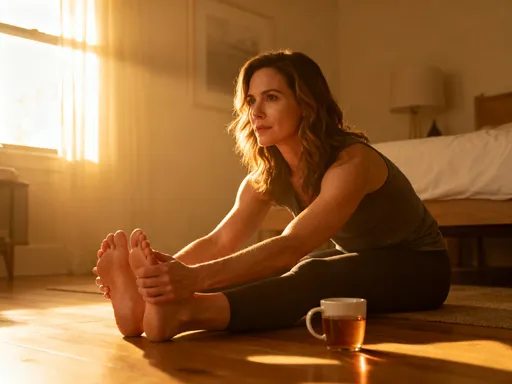
Stretching and light mobility work also play a crucial role in long-term health. As we age, maintaining flexibility and joint range of motion becomes increasingly important. Simple practices like morning stretches, gentle yoga, or even standing up and moving around every hour can prevent stiffness, reduce injury risk, and improve posture. These activities may not burn as many calories as high-intensity training, but they support functional fitness—the ability to move freely and comfortably through daily life.
Non-exercise physical activity (NEPA) refers to all the movement we do outside of formal workouts: gardening, cleaning, taking the stairs, playing with children, or standing while talking on the phone. Research indicates that NEPA contributes significantly to overall energy expenditure and metabolic health. In fact, some studies suggest that people who are active throughout the day—even without structured exercise—have lower risks of chronic diseases than those who sit most of the day and only move during a single gym session.
Integrating more movement into daily life doesn’t require a complete lifestyle overhaul. It starts with small, intentional choices. Park farther from the store entrance. Take walking meetings if possible. Do calf raises while brushing your teeth. Dance while cooking dinner. These micro-movements add up and create a foundation of consistent activity. Over time, they build a habit of motion that makes formal exercise feel more natural, not forced. The goal is not to achieve perfection but to increase the baseline level of daily movement.
Finding Your "Why": The Emotional Engine Behind Consistency
Motivation is not a fixed trait—it’s shaped by purpose. When the reason for exercising goes beyond appearance or societal expectations, commitment deepens. Many people start fitness journeys to lose weight or fit into a certain size, but these goals often lack emotional depth. They are external and can feel punishing. In contrast, internal motivations—such as wanting more energy to play with grandchildren, reducing anxiety, or feeling stronger during daily tasks—create a more sustainable drive.
Consider this: what would better energy give you? More patience with your children? Greater focus at work? The ability to travel without fatigue? These are powerful, personal reasons that connect physical activity to meaningful life experiences. When exercise is linked to values like family, independence, or peace of mind, it becomes more than a routine—it becomes a form of self-respect.
A reflective exercise can help uncover these deeper motivations. Take a few quiet moments to write down answers to questions like: How do I want to feel every day? What activities bring me joy that require physical ability? What fears do I have about aging or declining health? The answers often reveal emotional needs that movement can support. For example, someone who fears losing independence in later years may find motivation in strength training to maintain balance and mobility.
Aligning exercise with personal values increases resilience during setbacks. When motivation dips—and it will—having a strong “why” provides a compass. It’s easier to lace up walking shoes when you remember that each step is an investment in being present for your family. It’s easier to stretch in the morning when you know it helps you sleep better at night. These connections transform exercise from a task into a gift you give yourself.
The emotional engine behind consistency is not discipline; it’s meaning. When movement serves a purpose that resonates deeply, it becomes easier to prioritize. It no longer competes with other demands on time—it supports them. A mother who walks daily may find she has more patience. A retiree who lifts light weights may feel more confident. These outcomes are not side effects; they are the real rewards of a consistent routine.
Building a Routine That Fits—Not Fights—Your Life
One of the most common reasons people fail to stick with exercise is that they adopt routines that don’t align with their actual lives. Many follow fitness plans designed for people with flexible schedules, no children, or unlimited energy. When reality intervenes—work deadlines, family needs, fatigue—the routine falls apart. The solution is not more willpower; it’s better design. A sustainable exercise plan must be realistic, flexible, and tailored to individual circumstances.
Start by assessing your current lifestyle. When are you most alert? Do you have pockets of free time, or is your schedule packed? Are you more energetic in the morning or evening? These insights help determine the best time to move. For some, a 20-minute walk before breakfast sets a positive tone for the day. For others, a short stretch after dinner helps unwind. The key is to match the activity to your natural rhythm, not fight against it.
Environment also plays a critical role. If the gym feels intimidating or time-consuming, consider alternatives. Can you do bodyweight exercises at home? Walk around your neighborhood? Use online videos for guided sessions? Removing barriers increases the likelihood of follow-through. Having workout clothes ready the night before, keeping resistance bands in the living room, or scheduling movement like any other appointment can turn intention into action.
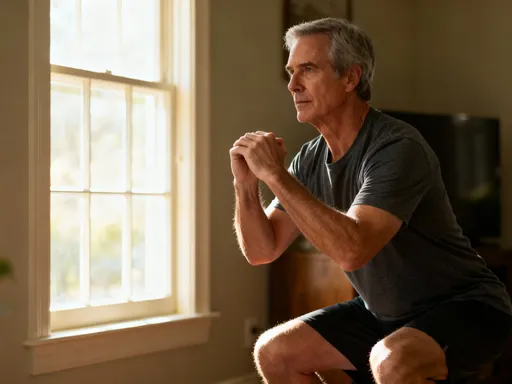
Habit stacking—linking a new behavior to an existing one—is a proven strategy for building consistency. For example, do five squats after brushing your teeth, or stretch while waiting for the coffee to brew. These small pairings make movement automatic over time. They don’t require extra time, just awareness and repetition.
Examples of tailored routines can illustrate how flexibility leads to success. A busy parent might do 10 minutes of movement while the kids play, followed by a family walk after dinner. A desk worker could set a timer to stand and stretch every hour, then take a 15-minute walk at lunch. A retiree might join a community walking group or practice tai chi in the park. There is no one-size-fits-all approach. The best routine is the one you can maintain, not the one that looks impressive on paper.
The Hidden Power of Non-Scale Victories
For years, many people measure fitness success solely by the number on the scale. But weight is a limited and often misleading indicator of progress. It doesn’t reflect improvements in energy, strength, mood, or overall health. Focusing exclusively on weight can lead to frustration, especially when changes are slow or non-linear. A more empowering approach is to celebrate non-scale victories—measurable improvements that reflect real-life gains.
Common non-scale victories include sleeping more soundly, feeling less joint pain, having more stamina during daily tasks, or noticing that clothes fit better. Others might include improved digestion, clearer skin, or reduced reliance on caffeine. These changes are meaningful because they enhance quality of life. They signal that the body is functioning better, even if the scale hasn’t moved.
Tracking these wins builds motivation in a way that numbers often cannot. When you record that you walked up three flights of stairs without stopping, or that you felt calmer after a stretching session, you create a record of progress that reinforces effort. Over time, this shifts the mindset from “Am I losing weight?” to “How am I feeling?”—a far more sustainable and holistic measure of success.
A simple journaling method can help capture these moments. Keep a notebook or use a notes app to jot down daily observations. Even brief entries like “felt more focused today” or “played with the dog without getting tired” serve as reminders of progress. Reviewing these notes weekly can provide encouragement during low-motivation periods. They tell a story of growth that the scale could never reflect.
Celebrating small wins also cultivates gratitude and self-awareness. Instead of waiting for a major milestone, you learn to appreciate the journey. Each small victory becomes a building block of confidence. Over time, this positive feedback loop makes it easier to keep going, not because of a number, but because you feel the difference.
When Motivation Fades: Tools to Stay on Track
Motivation is not constant—and that’s normal. Everyone experiences dips in energy, interest, or discipline. The difference between those who maintain a routine and those who don’t is not motivation; it’s strategy. Sustainable habits rely on systems, not feelings. When enthusiasm wanes, having practical tools in place can keep you moving forward without guilt or self-criticism.
One science-backed strategy is temptation bundling—pairing something enjoyable with a desired behavior. For example, listen to a favorite podcast only while walking. Watch a beloved TV show while stretching or using a stationary bike. This creates a positive association, making the activity something to look forward to, not avoid. Over time, the brain begins to crave the reward, which pulls the habit along with it.
Commitment devices are another effective tool. These are pre-decisions that increase accountability. Examples include scheduling a weekly walk with a friend, signing up for a community class, or using an app that tracks progress and sends reminders. Knowing someone else expects you or that your activity is being recorded can provide just enough incentive to follow through.
Social accountability also plays a powerful role. Sharing your goals with a trusted person—whether a partner, friend, or online group—creates a support system. Even a simple text like “I’m going for a walk now” can strengthen commitment. When setbacks occur, having someone to talk to reduces isolation and shame. They can offer encouragement, not judgment.
Finally, it’s essential to normalize breaks and restarts. Life happens—illness, travel, stress. When you miss days or weeks, the goal is not to punish yourself but to return gently. A low-pressure restart might mean a five-minute walk instead of a full workout. The message is clear: progress is not linear, and consistency matters more than perfection. Each time you return, you reinforce the identity of someone who values movement, even when it’s hard.
Making It Last: Turning Exercise into a Lifelong Habit
Sustainable change is not about dramatic transformations; it’s about gradual, consistent choices. The principles of lasting exercise habits include flexibility, self-compassion, and alignment with personal values. It’s not about pushing harder but about listening deeper—understanding what your body needs and honoring that with care.
Self-compassion is a cornerstone of long-term success. There will be days when energy is low, schedules are tight, or motivation is absent. In those moments, treating yourself with kindness—rather than criticism—preserves the habit. Saying “I did my best today” instead of “I failed again” keeps the door open for tomorrow. This gentle approach prevents the all-or-nothing thinking that derails so many efforts.
Flexibility ensures that the routine evolves with life. As seasons change, so might your preferred activities. A winter walk might become a living room stretch. A busy week might mean shorter sessions. The goal is not rigidity but resilience—the ability to adapt without abandoning the practice. When exercise is seen as a flexible expression of self-care, it becomes easier to maintain across decades.
Ultimately, viewing movement as a form of self-respect—not punishment—transforms the relationship with your body. It shifts from “I have to” to “I get to.” Each step, stretch, or strength session becomes an act of honoring your health and future. This mindset fosters gratitude and empowerment, making exercise a natural part of life, not an obligation.
The small efforts you make today create a stronger, healthier future. They build resilience, energy, and confidence that ripple through every area of life. And while the journey is personal, the outcome is universal: a deeper sense of well-being that no scale can measure. Remember, before starting any new physical routine, it’s important to consult with a healthcare professional to ensure it’s safe for your individual needs.