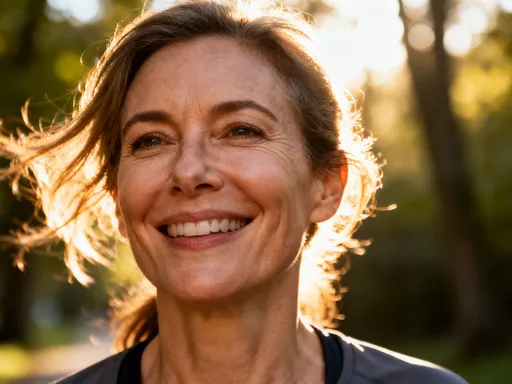
Youth Is a State of Being: My Systematic Anti-Aging Life Upgrade
Living well as we age isn’t about chasing wrinkles—it’s about upgrading how we eat, move, think, and rest. I’ve tested small but powerful changes that add up to real results: more energy, clearer skin, better sleep. This isn’t a quick fix. It’s a science-backed, step-by-step approach to feeling younger from the inside out—because true anti-aging starts with daily choices that boost your quality of life. The years may pass, but how we feel, think, and move is largely within our control. This is not about denying age, but about honoring it with intention and care.
The Real Meaning of Anti-Aging: Beyond Skin Deep
Anti-aging, as commonly marketed, often centers on appearance—creams, serums, injectables, and surgical procedures promising to erase the signs of time. While these may offer temporary cosmetic improvements, they do not address the deeper biological processes that determine how well we age. True anti-aging is not about looking younger; it’s about being younger in function, energy, and resilience. It’s a holistic system that supports cellular health, reduces inflammation, and enhances long-term well-being. The goal is not immortality, but vitality—living each decade with strength, clarity, and joy.
Scientific research increasingly shows that aging is not a linear decline, but a dynamic process influenced by lifestyle. Genes may set the stage, but daily habits play the leading role. Poor diet, inactivity, chronic stress, and disrupted sleep accelerate biological aging, while consistent, positive choices can slow it down. For instance, studies on telomeres—protective caps on the ends of chromosomes—reveal that people who maintain healthy lifestyles tend to have longer telomeres, a marker associated with slower cellular aging. This means that how we live today can influence how our cells age tomorrow.
The shift from cosmetic fixes to lifestyle-driven longevity is both empowering and realistic. Instead of fighting the natural process of aging, we can work with it—supporting our bodies with what they need to function optimally. This includes nourishing food, regular movement, quality rest, and emotional balance. The focus is no longer on hiding age, but on enhancing life. When we stop seeing aging as the enemy and start viewing it as a phase to be nurtured, we reclaim power over our health. It’s not about perfection, but about consistent, meaningful choices that compound over time.
Fueling Longevity: What I Actually Eat Every Day
Nutrition is one of the most powerful tools we have for slowing biological aging. What we eat directly affects inflammation, oxidative stress, and cellular repair—three key drivers of how we age. My daily eating pattern is not based on strict diets or deprivation, but on a sustainable, plant-forward approach rich in antioxidants, healthy fats, fiber, and phytonutrients. The foundation of my meals is vegetables, fruits, legumes, whole grains, nuts, and seeds, with moderate amounts of high-quality protein such as fish, eggs, or plant-based sources. Processed foods, added sugars, and refined carbohydrates are minimized, not banned, making the approach realistic and maintainable.
Each day begins with a nutrient-dense breakfast—often a smoothie with spinach, berries, chia seeds, and almond butter, or oatmeal topped with sliced banana and walnuts. Lunch is typically a large salad with mixed greens, roasted vegetables, chickpeas, and a simple olive oil and lemon dressing. Dinner might include grilled salmon or lentils with quinoa and steamed broccoli. The key is variety and color—eating a wide range of plant foods ensures a broad spectrum of protective compounds. For example, deep red tomatoes contain lycopene, which supports heart health; blueberries are rich in anthocyanins, known for their brain-protective effects; and cruciferous vegetables like broccoli and kale support liver detoxification pathways.
Timing also plays a role. I practice a form of gentle time-restricted eating, finishing my last meal by 7:30 p.m. and waiting until 7:00 a.m. the next day to eat again. This 12-hour fasting window allows the body time to shift from digestion to repair and autophagy—the cellular cleanup process that removes damaged components. Research suggests that such rhythms can improve metabolic health and reduce age-related disease risk. Carbohydrates are consumed earlier in the day when energy demands are higher, while evening meals are lighter and protein-focused to support overnight muscle maintenance.
This way of eating is not about counting calories or following rigid rules. It’s about creating a rhythm that supports energy, digestion, and long-term health. The benefits are tangible: more stable moods, fewer energy crashes, and a sense of lightness and clarity. Over time, skin becomes more radiant, digestion improves, and inflammation markers—such as joint stiffness or bloating—tend to decrease. These changes are not dramatic overnight, but they accumulate, reinforcing the idea that food is not just fuel, but information for our cells.
Movement That Matters: Small Steps, Big Impact
Physical activity is another pillar of my anti-aging strategy, not because it helps me look a certain way, but because it keeps me functioning well. After 40, the body naturally begins to lose muscle mass, a process called sarcopenia, and joint mobility can decline. Without intervention, this leads to weakness, stiffness, and increased risk of falls and chronic conditions. But consistent, intentional movement can slow or even reverse these changes. My routine is not intense or time-consuming—just daily, purposeful activity that supports strength, flexibility, and circulation.
Walking is the cornerstone. I aim for 8,000 to 10,000 steps each day, often broken into two or three walks—one in the morning, one after lunch, and sometimes a short evening stroll. Walking is low-impact, accessible, and profoundly beneficial. It improves cardiovascular health, enhances insulin sensitivity, and boosts mood through the release of endorphins. I make it enjoyable by walking in nature when possible, listening to podcasts, or calling a friend. The rhythm of walking also provides mental space—a moving meditation that clears the mind and reduces stress.
In addition to walking, I incorporate bodyweight exercises three to four times a week. These include squats, lunges, push-ups (modified as needed), and planks. I do two to three sets of each, focusing on form and control rather than speed or reps. These exercises build functional strength—the kind that makes daily tasks easier, from carrying groceries to getting up from a chair. I also include simple resistance bands for added challenge, which are gentle on the joints but effective for muscle stimulation.
Flexibility and posture are equally important. I spend 10 to 15 minutes daily on stretching and mobility work—targeting the hips, shoulders, and spine. Poor posture, often worsened by long hours at a desk or on devices, can lead to chronic pain and reduced lung capacity. By checking my posture regularly and doing corrective exercises, I maintain better alignment and breathing. Yoga-inspired movements, such as cat-cow stretches and gentle twists, are part of this routine. The result is not just improved physical comfort, but a greater sense of bodily awareness and presence.
Sleep: The Silent Rebuilder You’re Probably Ignoring
If there’s one anti-aging practice that delivers the most return on investment, it’s sleep. Yet, it’s often the first habit sacrificed in the name of productivity or convenience. Deep, restorative sleep is when the body performs its most critical repair work—clearing metabolic waste from the brain, repairing tissues, balancing hormones, and strengthening the immune system. Without sufficient quality sleep, every other healthy habit becomes less effective. I’ve learned this through personal experience: when I prioritize sleep, my energy, focus, and mood improve dramatically; when I neglect it, everything feels harder.
My sleep hygiene routine is simple but consistent. I go to bed and wake up at the same time every day, even on weekends, to regulate my circadian rhythm. The bedroom is kept cool, dark, and quiet—blackout curtains and a white noise machine help create an ideal environment. Electronics are turned off at least one hour before bed. The blue light from screens suppresses melatonin, the hormone that signals sleep, so I replace screen time with calming activities like reading a book, journaling, or gentle stretching.
Deep sleep, in particular, is essential for anti-aging. During this phase, the brain’s glymphatic system becomes highly active, flushing out toxins like beta-amyloid, a protein linked to Alzheimer’s disease. Growth hormone is also released, supporting muscle repair and skin elasticity. Poor sleep disrupts this process, leading to accelerated cognitive decline, weight gain, and weakened immunity. Studies show that chronic sleep deprivation is associated with a higher risk of heart disease, diabetes, and depression—all conditions that diminish quality of life as we age.
Since making sleep a non-negotiable part of my routine, I’ve noticed lasting improvements. Mornings are easier, mental clarity is sharper, and recovery from physical activity is faster. I no longer rely on caffeine to get through the day. More importantly, I feel emotionally more resilient. Sleep is not passive—it’s an active, essential process of renewal. By treating it as such, I’ve unlocked a powerful tool for long-term health and vitality.
Stress Reset: Taming the Invisible Aging Accelerator
Chronic stress is one of the most overlooked yet powerful accelerators of aging. Unlike acute stress, which can be motivating, chronic stress—caused by constant demands, financial worries, or emotional strain—keeps the body in a prolonged state of fight-or-flight. This leads to elevated levels of cortisol, the primary stress hormone, which, over time, can damage nearly every system in the body. High cortisol is linked to increased belly fat, weakened immunity, disrupted sleep, memory problems, and even skin aging, as it breaks down collagen and slows wound healing.
Recognizing this, I’ve made stress management a daily priority, not a luxury. I don’t wait until I feel overwhelmed to act—instead, I build in small, regular resets throughout the day. One of the most effective is mindful breathing. Just three to five minutes of slow, deep breaths—inhaling through the nose, exhaling through the mouth—can activate the parasympathetic nervous system, signaling the body to relax. I do this in the morning, after meals, or whenever I feel tension rising.
Spending time in nature is another powerful reset. Even a 10-minute walk in a park or sitting under a tree can lower cortisol levels and improve mood. The natural world has a calming effect on the nervous system, reducing mental chatter and restoring a sense of balance. I also set digital boundaries—turning off notifications, limiting social media, and scheduling tech-free hours. Constant connectivity can create a low-grade anxiety, making it hard to truly rest. By creating space from screens, I reclaim mental peace.
These small pauses are not escapes, but essential maintenance. They help me respond to life’s challenges with clarity rather than reactivity. Over time, I’ve noticed improved emotional regulation, fewer mood swings, and a greater sense of calm. Stress will always be part of life, but how we manage it determines its impact. By treating stress reduction as a non-negotiable part of my routine, I protect my long-term health and preserve my inner youth.
Mindset Matters: Staying Young From the Inside Out
While physical habits are crucial, the mind plays an equally important role in how we age. A positive, engaged mindset can be a powerful anti-aging force. Research shows that people who maintain a sense of purpose, stay curious, and nurture social connections tend to live longer, healthier lives. These qualities are not just outcomes of good health—they actively contribute to it. Emotional well-being is deeply linked to physical health, influencing everything from inflammation levels to immune function.
I cultivate this through simple, consistent habits. Journaling helps me process emotions, reflect on gratitude, and clarify my goals. Writing just a few sentences each day creates space for self-awareness and emotional release. I also make a point to learn something new regularly—whether it’s a language, a musical instrument, or a craft. This keeps my brain engaged and adaptable, supporting neuroplasticity, the brain’s ability to form new connections. Mental stimulation is as important as physical exercise for maintaining cognitive function.
Social connection is another cornerstone. Regular check-ins with family and friends—whether in person, by phone, or video call—provide emotional support and a sense of belonging. Loneliness, especially in midlife and beyond, is a significant risk factor for poor health outcomes. By nurturing relationships, I build a network of care and joy. Shared laughter, meaningful conversations, and mutual support are natural antidotes to stress and isolation.
A growth mindset—believing that abilities can be developed through effort and learning—also supports resilience. Instead of seeing aging as a decline, I view it as an opportunity to grow wiser, kinder, and more intentional. This shift in perspective changes how I experience life. Challenges become lessons, changes become chances to adapt, and each day becomes a chance to live with purpose. When the mind stays young, the body often follows.
Putting It All Together: My Weekly Anti-Aging System
Individually, each of these habits—eating well, moving daily, sleeping deeply, managing stress, and nurturing the mind—offers benefits. But their true power lies in how they work together. Over time, I’ve developed a realistic weekly framework that integrates all these elements without feeling overwhelming. It’s not about perfection, but about consistency and rhythm.
My week follows a gentle structure. Meals are prepared in advance to reduce decision fatigue—large batches of soups, grain bowls, and roasted vegetables ensure healthy options are always available. I schedule walks into my calendar, treating them like important appointments. Movement sessions are spread throughout the week, with rest days built in for recovery. Sleep is protected—no late-night scrolling or work emails. Stress resets are woven into the day: morning breathwork, midday nature breaks, evening journaling.
The mental and emotional practices are just as scheduled. I set aside time each Sunday to reflect on the week, plan ahead, and express gratitude. I make at least three meaningful social connections per week—calls, visits, or shared meals. Learning happens in small doses—15 minutes of a language app, reading a chapter of a book. These habits are not burdens, but anchors that bring stability and joy.
The long-term benefits are clear: steady energy throughout the day, fewer colds or illnesses, better digestion, improved sleep, and a more balanced mood. I no longer experience the afternoon crashes or irritability that once felt normal. My skin is clearer, my posture is better, and I feel more capable in daily life. These changes didn’t happen overnight, but through small, repeated actions that compounded over months and years.
The beauty of this system is that it’s adaptable. It doesn’t require expensive supplements, extreme diets, or hours at the gym. It’s built on accessible, science-backed principles that anyone can incorporate at their own pace. The key is to start small—choose one habit, master it, then add another. Progress, not perfection, is the goal.
Aging With Energy, Purpose, and Joy
Aging is not something to be feared or fought. It is a natural, inevitable part of life—one that can be met with grace, strength, and intention. The choices we make each day shape how we experience it. True anti-aging is not found in a jar or a clinic, but in the rhythm of daily life: what we eat, how we move, how we rest, and how we think. These are the real levers of longevity and vitality.
By focusing on holistic well-being rather than isolated fixes, we create a life that feels good at every age. Energy, clarity, resilience, and joy are not reserved for the young—they are available to anyone willing to invest in their health. The habits described here are not quick fixes, but lifelong practices that compound into a higher quality of life. They are backed by science, tested through experience, and designed to be sustainable.
It’s never too late to start. Whether you’re in your 30s, 40s, 50s, or beyond, small changes can lead to meaningful results. Begin with one step—better sleep, a daily walk, a moment of stillness. Let that become a foundation. Build from there. Over time, you’ll notice not just how you look, but how you feel—more alive, more present, more yourself. That is the essence of staying young: not denying the years, but embracing them with energy, purpose, and joy.