How Pilates Transformed My Energy — And What I Eat to Keep It Going
I used to feel constantly drained, no matter how much I slept. Then I tried Pilates — not just as exercise, but as a lifestyle shift. Within weeks, my posture improved, my core got stronger, and I felt more in control. But here’s what surprised me: the real game-changer wasn’t just the movement. It was pairing Pilates with smarter, simpler eating habits that truly boosted my results. What began as a search for more energy turned into a deeper understanding of how my body responds to mindful movement and real food. This journey wasn’t about drastic changes, but about consistent, thoughtful choices that added up to real transformation.
The Burnout That Led Me to Pilates
For years, I ran on coffee, quick snacks, and the belief that pushing harder was the only way forward. As a woman in her late 30s balancing work, family, and household responsibilities, I rarely paused to check in with my body. I would wake up tired, drag through the day, and collapse into bed only to repeat the cycle. Exercise felt like another obligation — I’d try intense workouts, only to quit after a few sessions because they left me sore, discouraged, or even injured. Running hurt my knees. Weight training felt intimidating. Group classes moved too fast, and I often felt out of place.
It wasn’t until a close friend invited me to a beginner’s Pilates class that I considered a different approach. I went reluctantly, expecting another high-energy session that would leave me breathless. Instead, I found something entirely unexpected: a quiet room, focused breathing, and movements that emphasized control over speed. There was no music blasting, no instructor shouting to push harder. Just deliberate, precise motions that asked me to pay attention — to my spine, my breath, my alignment. After that first session, I didn’t feel exhausted. I felt awake. Centered. Like I had finally reconnected with my body in a way I hadn’t in years.
What drew me in wasn’t the promise of a flatter stomach or weight loss — though those benefits are real for many — but the sense of calm strength that lingered long after class ended. I began attending twice a week, then three times. My posture improved so noticeably that my daughter commented on how I no longer slumped at the kitchen table. My lower back pain, which I had accepted as a permanent part of life, started to fade. For the first time in years, I felt like I wasn’t fighting my body — I was working with it.
Why Pilates Works When Other Workouts Don’t
Unlike high-impact or fast-paced workouts, Pilates is built on principles of control, precision, and mindful repetition. Developed by Joseph Pilates in the early 20th century, it was originally used to rehabilitate injured soldiers and dancers. Today, it remains a powerful tool for building functional strength — the kind that supports everyday movement, from lifting groceries to playing with children. What sets it apart is its focus on the core, often referred to as the “powerhouse” in Pilates terminology. This includes not just the abdominal muscles, but the deep stabilizing muscles of the pelvis, lower back, and diaphragm.
Scientific studies have shown that Pilates improves neuromuscular coordination — the communication between the brain and muscles. This means better balance, reduced risk of falls, and increased body awareness. For women over 30, especially those managing the physical changes of perimenopause or postpartum recovery, this kind of mindful training is invaluable. It strengthens without straining, builds endurance without exhaustion. A 2015 review published in the journal *Medicine & Science in Sports & Exercise* found that regular Pilates practice significantly improved muscular endurance, flexibility, and postural alignment in adults across age groups.
Another reason Pilates sustains where other workouts fail is its low risk of injury. Because movements are slow and controlled, the body has time to learn proper form and engage the right muscles. There’s no jumping, no sudden impact on joints. This makes it ideal for those with joint sensitivity, previous injuries, or conditions like osteopenia. Additionally, the emphasis on breath — inhaling deeply to expand the ribcage, exhaling fully to engage the core — activates the parasympathetic nervous system, which helps reduce stress and improve recovery. Over time, this leads to more consistent energy levels, fewer mood swings, and a greater sense of mental clarity.
The Hidden Link Between Movement and Metabolism
One of the most surprising benefits of Pilates was how it began to influence my digestion and metabolism. At first, I didn’t connect the two. But after several weeks of consistent practice, I noticed I wasn’t bloated after meals. My bowel movements became more regular. I felt lighter, even though I hadn’t changed my diet yet. This wasn’t coincidence — it was physiology. Gentle, rhythmic movement like Pilates stimulates the lymphatic system and improves circulation to the digestive organs. The deep breathing techniques used in class also massage the internal organs, encouraging better motility and nutrient absorption.
Moreover, stress is a major disruptor of metabolism. Chronic tension — whether emotional or physical — triggers the release of cortisol, a hormone that can slow metabolism, increase fat storage around the abdomen, and lead to cravings for sugary, processed foods. Pilates, with its focus on relaxation and alignment, helps regulate cortisol levels. A 2017 study in *Complementary Therapies in Clinical Practice* showed that women who practiced Pilates twice a week for 12 weeks reported lower perceived stress and improved sleep quality — both of which support healthy metabolic function.
What I realized is that movement primes the body to make better use of food. When I moved mindfully, my body seemed more receptive to nourishment. I craved vegetables more. I noticed when I ate something overly processed, I felt sluggish — not just physically, but mentally. Pilates didn’t just change how I moved; it changed how I listened to my body’s signals. This mind-body connection became the foundation for lasting change.
What I Actually Eat: Simple, Real-Food Fuel
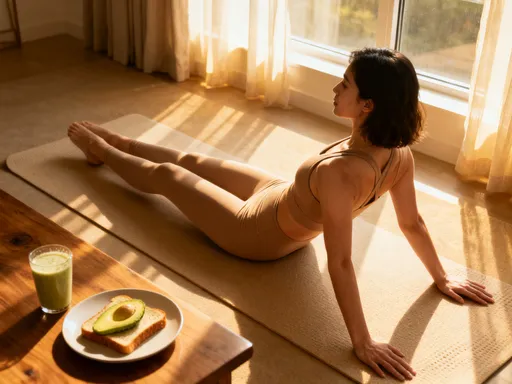
I didn’t follow a strict diet when I started Pilates, and I still don’t. Instead, I adopted a pattern of eating that supports my energy, recovery, and overall well-being. The cornerstone of my approach is whole, minimally processed foods — things I can picture growing in a garden, walking in a field, or cooking in a kitchen. Breakfast might be two scrambled eggs with spinach and a slice of whole grain toast, or a smoothie made with unsweetened almond milk, banana, chia seeds, and a scoop of plant-based protein. Lunch is often a large salad with mixed greens, grilled chicken or chickpeas, avocado, cucumbers, and a simple olive oil and lemon dressing.
Dinner tends to be warm and comforting — baked salmon with roasted sweet potatoes and steamed broccoli, or a lentil stew with brown rice. I’ve learned to include a balance of macronutrients at every meal: protein to support muscle repair, complex carbohydrates for sustained energy, and healthy fats to keep me full and support hormone health. I no longer fear fats — in fact, I welcome them. Avocados, nuts, seeds, and olive oil are now staples in my kitchen. These foods not only taste good but help my body recover from Pilates sessions and maintain steady energy throughout the day.
One of the biggest shifts was cutting back on added sugars. I used to reach for a muffin or a candy bar in the afternoon when my energy dipped. Now, I opt for an apple with almond butter or a small handful of trail mix. The difference is remarkable — no more crashes, no more brain fog. I’ve also become more aware of hydration. I start each morning with a glass of warm water with lemon, and I keep a reusable bottle with me all day. Dehydration can mimic fatigue, and staying hydrated supports every bodily function, from digestion to joint lubrication.
Meal Timing and Energy Flow: Syncing Food with Movement
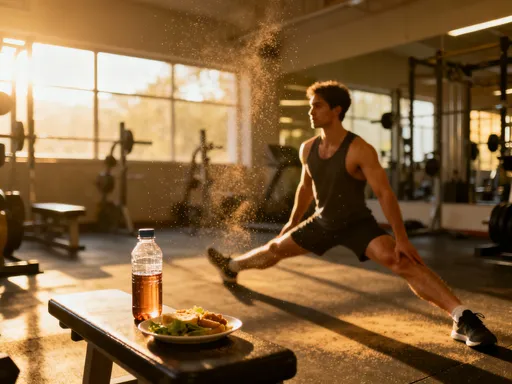
Timing matters — not rigidly, but thoughtfully. I’ve learned that eating too close to a Pilates session can cause discomfort, while going in completely empty can leave me lightheaded. My sweet spot is a light, balanced meal or snack about 1 to 2 hours before class. For morning sessions, I might have a small bowl of oatmeal with berries or a hard-boiled egg and a piece of fruit. This gives me enough fuel to move with control and focus without feeling weighed down.
After class, I aim to eat within 45 to 60 minutes to support muscle recovery. This doesn’t have to be a full meal — sometimes it’s a protein-rich smoothie or a slice of whole grain toast with peanut butter. The goal is to replenish glycogen stores and provide amino acids for tissue repair. Skipping post-workout nutrition might seem like a way to save calories, but it can actually hinder progress by prolonging recovery and increasing fatigue later in the day.
In the afternoon, I listen to my body rather than the clock. If I’m truly hungry, I eat — a yogurt with granola, a handful of almonds, or sliced vegetables with hummus. If I’m not, I wait. This simple practice has helped me break the cycle of mindless snacking. I’ve also stopped eating heavy meals late at night, which used to disrupt my sleep. Now, dinner is usually finished by 7:30 p.m., and if I need something later, it’s a small, light option like herbal tea or a few walnuts. These small adjustments have led to deeper sleep and more consistent morning energy.
Mindful Eating: The Pilates Principle at the Table
One of the most profound lessons Pilates taught me extends far beyond the mat — it’s the practice of presence. In class, we’re taught to move with intention, to feel each contraction, each stretch, each breath. I began to realize that the same awareness could be applied to eating. Mindful eating means sitting down to meals without distractions, chewing slowly, and truly tasting food. It means noticing when hunger arises and recognizing when fullness sets in — not waiting until I’m overly full to stop.
This shift didn’t happen overnight. For years, I ate meals in front of the TV, while checking emails, or standing at the counter. I wasn’t present. I missed the pleasure of eating and often overate without realizing it. Now, I make an effort to eat at the table, with my family when possible. I put my fork down between bites. I notice the texture of my food, the blend of flavors. This simple act of slowing down has improved my digestion and reduced bloating. More importantly, it’s helped me develop a kinder relationship with food — one based on nourishment, not guilt or restriction.
Mindful eating also helps break the cycle of emotional eating. When I feel stressed or overwhelmed, I used to reach for cookies or chips. Now, I pause. I ask myself: Am I truly hungry? Or am I trying to soothe a feeling? Sometimes the answer is yes, I need food. Other times, I realize I need a walk, a few deep breaths, or a conversation with a friend. This awareness has been liberating. I no longer see food as the solution to every discomfort. Instead, I see it as one part of a larger system of self-care.
Putting It All Together: A Sustainable Daily Rhythm
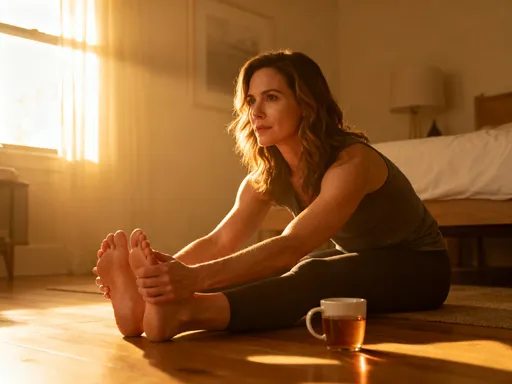
What I’ve built isn’t a rigid routine — it’s a rhythm. A flow that supports my energy, my mood, and my long-term health. My day often starts with a 20-minute Pilates session at home — gentle stretches, core work, and breathing exercises. This sets a calm, focused tone for the hours ahead. Afterward, I drink a glass of water and enjoy a balanced breakfast. Work and family responsibilities fill the middle of the day, but I make time for a short walk or a few minutes of deep breathing between tasks.
Lunch is eaten mindfully, without screens. I try to include a variety of colors on my plate — dark greens, bright peppers, orange carrots — because I know that diversity in plant foods supports gut health and immunity. In the late afternoon, I might do a second short movement session — perhaps 15 minutes of stretching or a few Pilates rolls. Dinner is shared with my family, and we talk, laugh, and savor our food. Evenings are for winding down — reading, light chores, or a warm bath. I aim for 7 to 8 hours of sleep, knowing that rest is just as important as movement and food.
The beauty of this approach is its adaptability. Some days are busier than others. Some days I miss a Pilates session or eat something less nutritious. And that’s okay. Perfection isn’t the goal. Consistency is. Over time, the small choices — choosing water over soda, taking the stairs, pausing to breathe — add up to real change. I no longer feel at war with my body. I feel in partnership with it.
Pilates didn’t just change my body — it changed how I treat myself. When paired with thoughtful, nourishing food, it became more than exercise; it became a form of daily self-respect. This isn’t about quick fixes, but about building a body and mind that feel strong, steady, and ready. And honestly? I wish I’d started years ago.