From Passive Scroller to Purposeful Helper: How Tech Turns Everyday Moments into Meaningful Impact
Ever felt like you want to do more for your community but don’t know where to start—or how to fit it into your busy life? You’re not alone. Between work, family, and personal time, volunteering often slips through the cracks. But what if small, simple tech tools could quietly connect you to real needs around you—without adding stress? This isn’t about grand gestures. It’s about turning everyday moments into quiet acts of care, one tap, one alert, one shared ride at a time. Imagine opening your phone not just to scroll, but to see a gentle nudge: a neighbor needs help carrying groceries, a local shelter needs extra hands during dinner service, or a school is short on supplies. These aren’t far-off causes. They’re right here, right now—and technology is making it easier than ever to show up in ways that feel natural, manageable, and deeply meaningful.
The Overwhelm of Wanting to Help (And Why We Often Don’t)
Let’s be honest—most of us care. We care about kids having enough books, seniors not feeling lonely, families having warm meals, and parks staying clean. But caring doesn’t always lead to action, and it’s not because we’re indifferent. It’s because life is full. We’re juggling school drop-offs, work deadlines, household chores, and the mental load of remembering everything from dentist appointments to birthday gifts. When we see a post about a fundraiser or a call for volunteers, our hearts say yes, but our calendars say no. We tell ourselves, “I’ll look into it later,” and then later never comes. That gap between intention and action is real—and it’s where guilt often sneaks in. We feel bad for not doing more, even though we’re already doing so much.
And it’s not just time. It’s also the mental effort of figuring out where help is actually needed. Should we donate money? Sort clothes? Drive someone to an appointment? The options feel overwhelming, especially when we don’t know which ones make a real difference. Plus, traditional volunteering often asks for big commitments—weekly shifts, long-term projects, or formal training. That’s wonderful for some, but for many of us, it feels out of reach. We want to help, but we don’t want to add another item to our already overflowing to-do list. The truth is, most of us aren’t looking for another responsibility. We’re looking for a way to make a difference without losing ourselves in the process.
This is where technology quietly steps in—not to replace deep involvement, but to meet us where we are. It offers a bridge between caring and doing, one that doesn’t require a leap, just a small step. And the best part? It fits into the life we already have.
How Your Phone Can Whisper Opportunities, Not Shout Demands
Think about how your phone already works for you—reminding you to leave early for traffic, suggesting nearby coffee shops, or letting you know when your favorite store has a sale. Now imagine it doing the same for kindness. What if your phone could gently alert you when someone nearby needs a hand? Not with a guilt trip or a long sign-up form, but with a soft chime and a simple message: “Your neighbor could use a ride to the pharmacy. Can you help?” That’s the quiet power of today’s community tech tools.
These aren’t flashy apps with complex dashboards. They’re simple, intuitive platforms that use geolocation and smart matching to connect people in real time. For example, some neighborhood apps send low-pressure notifications when help is needed nearby—like someone asking for a spare charger, a parent needing a stroller returned, or a local food bank needing last-minute delivery help. The requests are small, specific, and time-bound, which makes saying yes feel safe and manageable. There’s no expectation to become a hero—just a chance to be a helper.
And the best part? These tools don’t demand your attention. They don’t bombard you with endless requests or make you feel bad for saying no. Instead, they work like a quiet companion, reminding you that you’re part of a community. You might get one alert a week, or even one a month. But when you do, it’s relevant, timely, and easy to act on. It’s not about doing everything—it’s about being available when you can. That shift—from feeling like you should help to feeling like you get to help—is powerful. It turns volunteering from a chore into a choice, and that makes all the difference.
Turning Routines into Quiet Acts of Care
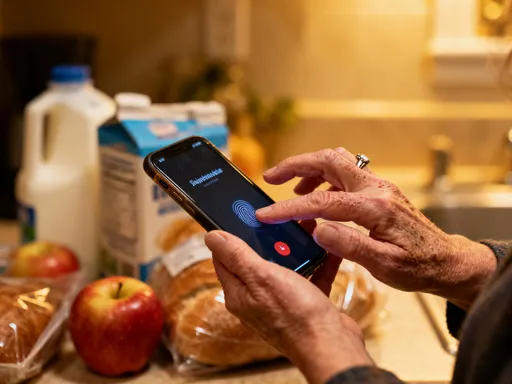
One of the most beautiful things about modern community tech is how it turns ordinary moments into opportunities for connection. You don’t have to carve out special time to help. Instead, you can weave small acts of care into the rhythm of your day. Think about your daily walk with the dog. What if, along the way, your phone suggested stopping by a neighbor’s house to pick up their mail? Or what if, while you’re already at the grocery store, an app quietly reminded you that a nearby family could use a few extra items—milk, bread, maybe some fruit—and gave you an easy way to add them to your cart and pay?
These aren’t grand gestures. They’re micro-moments of kindness, made possible by technology that understands your routine and matches it with real needs. Some apps even let you set preferences—like “I’m happy to help with errands” or “I can carry heavy items”—so you only see opportunities that fit your life. Over time, these small actions add up. You start to notice the people around you more. You begin to feel more rooted in your neighborhood. And you realize that helping doesn’t have to mean giving up your weekend—it can happen while you’re already doing what you need to do.
Take the example of Maria, a mom of two in Portland, who started using a local care app after her sister suggested it. At first, she only said yes to simple things—picking up a prescription for an elderly neighbor, dropping off a forgotten lunch for a teacher at her kids’ school. But over time, she began to look forward to those little moments. “It feels good to know I’m part of something,” she said. “It’s not like I’m saving the world, but I’m making someone’s day a little easier. And honestly, it makes my day better too.” That’s the ripple effect of tech-enabled kindness—it doesn’t just help others; it enriches the helper.
The Power of One Tap: Joining Forces Without the Commitment
One of the biggest barriers to volunteering is the fear of getting stuck. We worry that if we say yes once, we’ll be expected to keep showing up. But what if you could help without any long-term strings attached? That’s the beauty of platforms that focus on single-task volunteering. These aren’t about building a volunteer resume—they’re about making space for meaningful action in the cracks of your day.
Imagine getting a notification that a local nonprofit needs help assembling 50 care kits for unhoused individuals. The task will take about 45 minutes, and it’s happening this Saturday at a community center near you. You can sign up with one tap, show up, do your part, and leave—no ongoing commitment, no follow-up emails, no pressure. Or maybe you’re bilingual, and an app connects you with a request to translate a short school letter for a family who doesn’t speak English fluently. You do it from your kitchen table in 10 minutes, and it makes a real difference.
These one-time opportunities are perfect for people who want to contribute but don’t have the bandwidth for regular involvement. They’re also ideal for trying out different kinds of service to see what resonates. Maybe you enjoy hands-on work, or maybe you prefer something quiet and behind the scenes. The flexibility allows you to explore without stress. And because the tasks are clearly defined and time-limited, you can say yes with confidence, knowing exactly what you’re signing up for.
Plus, these small actions often lead to bigger impacts. One translated letter helps a child stay in school. One assembled care kit provides warmth and dignity to someone sleeping outside. And when hundreds of people each do one small thing, the collective effect is enormous. Technology makes it possible to be part of that wave—even if you only have a few minutes to give.
Building Real Connection in a Digital World
It’s easy to assume that digital tools create distance—that they make everything feel transactional and impersonal. But the truth is, some of the most meaningful human connections are now being fostered through technology. Platforms designed with care and safety in mind are helping volunteers build real relationships with the people they serve.
Take, for example, apps that match volunteers with isolated seniors for weekly phone calls or video chats. These aren’t cold, automated connections. They’re warm, human interactions that happen because someone thought, “I have time to listen,” and someone else thought, “I could really use a friendly voice.” The technology simply makes the introduction. Once the call begins, it’s just two people talking—about the weather, their families, their favorite recipes, or nothing important at all. But the effect is profound. Loneliness is a serious issue, especially among older adults, and a simple conversation can be a lifeline.
Other platforms connect skilled volunteers with local nonprofits. A graphic designer might help a food bank redesign their flyer. A retired teacher might tutor a student online. A carpenter might repair a broken bench at a community garden. These aren’t random acts—they’re purposeful matches that honor both the giver’s talents and the receiver’s needs. And because the platforms often include safety features like identity verification, user reviews, and secure messaging, people feel more comfortable reaching out and saying yes.
What’s emerging is a new kind of community fabric—one woven from both digital threads and human warmth. Technology doesn’t replace face-to-face connection; it makes it more possible. It lowers the barriers to saying hello, offering help, and staying in touch. And in a world where so many of us feel disconnected, that’s a quiet revolution.
Making Space for Growth—Without Adding Stress
When we talk about volunteering, we often focus on how it helps others. But there’s another side to the story: how it helps us. Women especially—often the emotional anchors of their families—rarely make space for their own growth. We give so much to others that we forget to fill our own cup. But here’s the surprise: helping through tech doesn’t drain us. It grounds us.
Many women who use community apps report feeling more connected, more capable, and more at peace. There’s a quiet confidence that comes from knowing you showed up, even in a small way. It’s not about recognition or praise. It’s about the internal shift—the sense that you’re not just surviving your day, but contributing to something bigger. That feeling of purpose is powerful. It combats the low-grade anxiety that comes from feeling powerless in a chaotic world. It reminds us that we have something to offer, even on the busiest, most overwhelming days.
And because tech makes helping so low-effort, it doesn’t add to our stress. We’re not rearranging our schedules or taking on extra guilt. We’re simply using tools that fit into our lives. Over time, these small actions build a sense of momentum. We start to see ourselves not just as caregivers for our families, but as contributors to our communities. That identity shift matters. It expands our sense of self. It reminds us that we’re more than our roles—we’re individuals with value, skills, and compassion to share.
One woman in Chicago told me, “I started using a local app when I was going through a tough time. I didn’t have energy for much, but I could walk to the corner store and pick up soup for a sick neighbor. That small act made me feel useful again. It didn’t fix everything, but it gave me a sense of control. Now, it’s part of my routine—and part of who I am.” That’s the quiet transformation tech can support: not by changing our lives all at once, but by helping us grow, one small choice at a time.
Starting Small, Staying Sincere: Your First Step Today
You don’t need to be perfect. You don’t need to have extra time, money, or energy. You just need to be present. And the good news is, you already have everything you need to begin. Your phone, your routine, your kindness—these are the tools that matter most. So why not take one gentle step today?
Open your app store and search for community-based volunteering platforms in your area. Look for ones that emphasize safety, simplicity, and real-time needs. Download one, set your preferences, and turn on notifications. You don’t have to say yes to anything right away. Just let the possibility in. Or, if you’re already using a neighborhood app, take a moment to check the “Help Needed” section. See if there’s one small thing you could do this week—return a lost item, share a ride, drop off a forgotten umbrella.
Remember, this isn’t about fixing the world. It’s about being part of it. It’s about creating a life where care flows naturally, where technology serves humanity, and where every small action adds up to something meaningful. You don’t have to do it all. You just have to do one thing. And when you do, you’ll discover something beautiful: that helping doesn’t take you away from your life—it brings you deeper into it. You’ll feel more connected, more capable, and more like yourself. And that, more than anything, is the quiet power of tech done right.