Why Haven’t You Noticed How Still You’ve Become—And What It’s Costing Your Mind?
Sitting longer doesn’t just stiffen your body—it quietly dulls your focus, slows your thinking, and drains your energy. You’ve probably felt it: that mid-afternoon fog, the struggle to remember what you just read, the effort it takes to stay engaged. What if the real barrier to learning isn’t your willpower, but your posture? Modern life keeps us seated, but our brains weren’t built for stillness. The good news? Small shifts, powered by simple tools, can reignite your mental clarity and transform how you learn every day.
The Hidden Rhythm of Your Day: How Sitting Silently Sabotages Your Flow
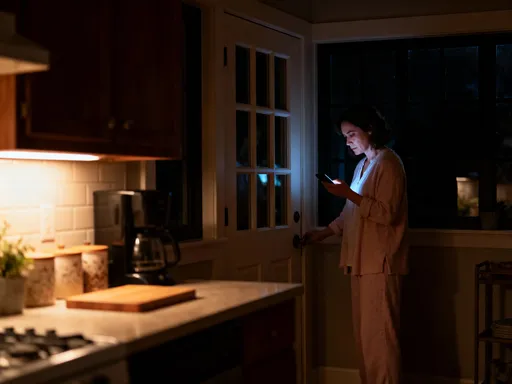
Picture this: it’s 3 p.m., and you’re still in the same chair you sat in this morning. Your coffee cup is empty, your screen glows with unread messages, and your shoulders feel tight, like they’ve slowly crept up toward your ears. You meant to stretch after that last meeting, but one call rolled into another, and now here you are—again—lost in thought, trying to remember what you came into the kitchen for. This isn’t just a bad day. It’s a pattern. And it’s not just your body that’s paying the price; it’s your mind.
We weren’t made to sit for hours without moving. Our bodies thrive on rhythm—on natural shifts between activity and rest, tension and release. But modern life has flattened that rhythm. We sit to work, sit to eat, sit to unwind. Even our leisure has become still. Think about how many times today you’ve moved without purpose—just stood up to feel your legs, walked around the block for no reason, or stretched your arms high just because it felt good. Chances are, not many. And that stillness? It’s not neutral. It’s quietly reshaping how you think, feel, and learn.
When you stay seated for too long, your circulation slows. Less oxygen reaches your brain. Your muscles, especially in your back and legs, begin to tense and weaken. But the deeper cost is mental. You start to feel foggy, irritable, distracted. You re-read the same paragraph three times. You forget appointments. You feel tired, even if you slept well. These aren’t signs of aging or stress alone—they’re signals from your body saying, “I need to move.” And when we ignore them, we don’t just lose comfort—we lose clarity.
I remember a week last winter when I was writing a big project from home. I’d start each day with good intentions—breakfast at the table, a walk with the dog—but by noon, I was glued to my desk. By day three, I couldn’t focus. I’d open a document and feel overwhelmed, like my brain had slowed to a crawl. It wasn’t the work. It wasn’t the deadline. It was the stillness. I finally realized: I hadn’t stood up in over two hours. That moment changed how I see my day. Because the truth is, movement isn’t just for exercise. It’s for thinking. It’s for remembering. It’s for staying present in your own life.
When Your Body Forgets to Move, Your Brain Forgets to Learn
Let’s talk about learning—something so many of us are doing more of these days. Whether it’s an online course, a new hobby, or just trying to keep up with your kid’s homework, learning takes focus. But here’s something no one tells you: your body plays a huge role in how well your brain learns. When you’re still for too long, your brain doesn’t get the fuel it needs. And without that fuel, even simple ideas feel hard to grasp.
Think of your brain like a garden. It needs water, sunlight, and fresh air to grow. Movement is one of those essentials. When you walk, stretch, or even shift in your seat, you’re helping blood flow to your brain. That blood carries oxygen and nutrients—what your neurons need to fire, connect, and store information. Without movement, that flow slows. Your brain gets less of what it needs, and learning becomes harder, slower, more frustrating.
I saw this with my sister, Maria. She’s a mom of two, working part-time while taking a certification course in the evenings. She’d sit down after dinner, open her laptop, and try to focus. But within 20 minutes, she’d feel exhausted. “I read the same sentence over and over,” she told me. “It’s like my brain just shuts down.” She thought it was burnout. But when she started setting a timer to stand and walk around every 30 minutes, everything changed. “I actually remembered what I read,” she said. “And I didn’t feel like I was fighting my own mind.”
That’s the thing we often miss: learning isn’t just a mental act. It’s a full-body experience. Your posture, your breathing, your movement—all of it shapes how well you understand and remember. When your body is stuck, your brain struggles to make new connections. But when you move, even briefly, you reset your attention. You give your brain a fresh start. It’s not about willpower. It’s about rhythm. And when you bring movement back into your day, you’re not just helping your body—you’re unlocking your mind.
The Quiet Revolution: How a Tiny Buzz Can Change Everything
Now, I know what you might be thinking: “I don’t have time to take breaks. My day is already packed.” And I get that. But what if I told you that the most powerful tool for better focus isn’t another cup of coffee or a longer to-do list—but a gentle buzz on your wrist?
That’s what happened when I started using a simple sedentary reminder on my smartwatch. No fancy settings, no complicated app. Just a soft vibration every hour, reminding me to stand up and move for a minute or two. At first, I ignored it. I was “in the zone,” or so I thought. But after a few days of actually listening, I noticed something: I felt sharper. My thoughts felt clearer. Even my mood lifted. That tiny buzz wasn’t an interruption—it was a reset.
These reminders aren’t about perfection. They’re not about tracking every step or hitting a fitness goal. They’re about breaking the spell of stillness. Because when you’re deep in work, it’s easy to forget your body exists. You’re solving problems, answering emails, planning meals—but your legs haven’t moved in an hour. Your back is stiff. Your breathing is shallow. And your brain? It’s running on low power.
But that little buzz—it’s like a friend tapping you on the shoulder and saying, “Hey, don’t forget to live.” It’s not demanding. It’s kind. And over time, it becomes a rhythm you look forward to. I started using it during my online meetings. When the buzz came, I’d mute and pace across the room, stretch my arms, or just stand and breathe. My colleagues didn’t notice. But I did. I came back to the screen feeling more present, more engaged. It wasn’t magic. It was movement. And it was free.
The best part? These tools are designed for real life. You don’t need a high-end device. Many phones have built-in reminders. Some apps let you customize the frequency—every 30 minutes, every hour, whatever works for you. You can even set them to pause during meetings or sleep. It’s not about adding more to your plate. It’s about weaving small moments of care into the day you already have.
Rewiring Your Routine: Small Breaks, Big Mental Shifts
So how do you actually make this work? It’s not about overhauling your life. It’s about tiny shifts—micro-movements that fit into the spaces you already have. Think of them as mental tune-ups. Just like you’d pause to save a document, you can pause to reset your brain.
Here’s what works for me: when the reminder buzzes, I don’t stop everything. I don’t need 10 minutes. I just need two. I’ll walk to the kitchen and refill my water. I’ll step outside and take three deep breaths. I’ll do a quick stretch—reach my arms high, roll my shoulders, bend forward and let my head hang. Sometimes, I’ll pace while on a phone call. Other times, I’ll dance in place while the microwave runs. It doesn’t have to be structured. It just has to be movement.
And the payoff? Huge. Studies show that even brief movement breaks improve attention, memory, and mood. But you don’t need a study to feel it. You’ve probably noticed it yourself—how a short walk clears your head, how standing up helps you think of the word you were stuck on. That’s your brain thanking you.
I started using this with my daughter, who’s in middle school. She was struggling to focus during homework. So we set up a shared reminder on her tablet—every 25 minutes, a little chime would play, and she’d get up to jump, stretch, or walk around the living room. At first, she groaned. But after a week, she said, “Mom, I actually finish faster now.” Because those breaks weren’t slowing her down—they were speeding her up. Her brain had time to reset. She wasn’t fighting fatigue. She was working with her body, not against it.
The key is consistency, not intensity. You don’t need to do jumping jacks or a full workout. You just need to interrupt the stillness. Even shifting your weight, rolling your ankles, or standing while reading an email helps. Over time, these moments add up. They create a rhythm that supports your mind, not drains it.
Family Rhythms, Shared Energy: Creating Movement Together
Movement doesn’t have to be a solo act. In fact, it can become a quiet thread that connects your family. Think about how much time we all spend still—kids on tablets, teens on phones, adults on laptops. We’re together, but we’re not present. What if you could use gentle reminders to bring everyone back into their bodies—and into the moment?
One family I know started using a shared “movement break” alert at dinner time. After the meal, instead of everyone scattering to screens, a soft chime would play, and they’d all get up to do something simple—dance to one song, walk around the block, or play a quick game of tag in the backyard. At first, it felt silly. But soon, it became something they looked forward to. “It’s our reset,” the mom told me. “We come back lighter, happier.”
These moments aren’t just about physical health. They’re about emotional connection. When you move together, you’re not just stretching your muscles—you’re stretching your attention. You’re present with each other. You’re laughing, breathing, feeling alive. And for kids, it helps reset their focus, too. Many parents report that their children sleep better, concentrate more, and feel calmer after regular movement breaks.
You can make it your own. Maybe it’s a five-minute dance party after homework. Maybe it’s a family stretch before bedtime. Or maybe it’s just a rule: no screens until everyone’s stood up and moved for a minute. The goal isn’t to add another chore. It’s to weave small joys into your day—moments that bring you back to your body and to each other.
Beyond the Body: How Movement Restores Curiosity and Calm
There’s a deeper gift that movement gives us—one we don’t talk about enough. It doesn’t just help us focus. It helps us feel curious again. Alive. Open.
I went through a phase a few years ago when I felt mentally drained. I was doing all the right things—eating well, sleeping, managing stress—but I couldn’t enjoy learning. Books felt heavy. New ideas felt exhausting. I’d start a course and quit. Then I committed to a simple rule: every hour, I’d move for two minutes. Not for fitness. Not for productivity. Just to feel my body.
At first, it felt like a chore. But within a week, something shifted. I noticed colors more vividly. I felt more interest in conversations. I picked up a book I’d abandoned months before—and finished it in two days. It wasn’t that I had more time. It was that my mind felt clearer, more spacious. Movement had cleared the mental clutter.
That’s the quiet power of rhythm. When you move regularly, you’re not just feeding your brain—you’re creating space for wonder. You’re more likely to ask questions, to try something new, to stay open when things get hard. And you’re more likely to feel calm, not because you’ve solved all your problems, but because your body isn’t holding all the tension.
Movement becomes a form of self-care that doesn’t require a spa day or a vacation. It’s available to you right now, in the middle of your busiest hour. And it costs nothing. That tiny buzz, that two-minute stretch—it’s not just a break. It’s a return to yourself.
Designing Your Natural Rhythm: A Life That Moves With You
Here’s the truth: we don’t need to eliminate sitting. We need to balance it. Life has seasons of stillness—reading, writing, resting, reflecting. But it also needs motion. The goal isn’t to be in constant motion. It’s to restore the natural ebb and flow that our bodies and minds thrive on.
Technology, at its best, isn’t about replacing human rhythm. It’s about supporting it. A simple reminder isn’t a cold gadget. It’s a gentle nudge from the future version of yourself—the one who remembers to stand up, to breathe, to live fully in the moment.
Start small. Set one reminder. Move for two minutes. Notice how you feel. Be kind to yourself when you forget. This isn’t about discipline. It’s about care. And over time, you’ll find that these small shifts add up to something bigger: a mind that’s clearer, a body that’s lighter, a life that feels more alive.
You don’t have to run a marathon or meditate for an hour. You just have to remember: you’re not a machine built for stillness. You’re a human, designed to move, to grow, to learn. And sometimes, all it takes is a tiny buzz to bring you back to that truth.